Let’s Meet in the Middle and Make Something Beautiful

Craig Colorusso has been exploring the intersection of sound, light, and space through sculpture since 2000. His installations consist of wood, metal, fabric, and electronics.

Saturday April 18th 2026, was the first installment of new project Music to Grow Things. Monica Diodati made delicious food and I played some music all inspired by the Lemon. Everyone left with a lemon seedling. Lemon Sonata.

All grown from seeds and drenched in sound.


Music to Grow Things is a long-duration participatory sound project by Craig Colorusso that brings together music, ecology, and community through the shared act of cultivation. Combining immersive live performance with the gifting of living seedlings, the work expands music beyond a temporary event and into an ongoing system of care, attention, and connection.
Emerging from the artist’s personal practice of growing plants from the seeds of consumed fruits and vegetables, the project is influenced by Brian Eno’s notion that composing resembles gardening: scattering seeds with intention but without certainty. What began as a modest response to the environmental impact of travel evolved into a larger question—how might a musical work continue to live, change, and demand responsibility after the final note?
At the center of the project is an extended composition for bowed electric guitar, bass clarinet, and electronics. Built from sustained tones, subtle harmonic shifts, and breath-like textures, the music unfolds slowly, creating immersive sonic environments rather than traditional concerts. These performances function as atmospheres of shared duration, asking audiences not simply to hear, but to remain.
Each event extends beyond listening. Audience members are invited to take home seedlings grown and cared for by the artist, transforming them from listeners into caretakers. The act of cultivation becomes a continuation of the musical experience, unfolding over weeks, months, and years through attention, patience, success, and failure.
In a culture shaped by speed, disposability, ecological vulnerability and increasing social isolation, Music to Grow Things proposes care as its primary medium. The work asks participants to engage in the increasingly unfamiliar disciplines of maintenance, long-term attention, and shared responsibility. Plants may fail. Participants may disengage. It is precisely this uncertainty that makes care the true material of the piece.
Through simple digital platforms, participants remain connected across locations, sharing growth, images, questions, and knowledge. Over time, these exchanges form a distributed community grounded not in geography, but in a collective commitment to tending something alive.
Music to Grow Things ultimately asks what it means to sustain rather than consume, to remain attentive beyond novelty, and to create an artwork whose most important life begins after the performance ends.
I will be performing “Lillsagarde” for guitar and bass clarinet. Its the opening of Companions curated by the fabulous Olivia Trimble at Fenix Arts on top of the world at Mount Sequoyah.
Concerts and festivals attract thousands of fans so it is imperative that strict safety and security protocols are implemented. For this, the organizers are advised to hire professional Atlanta Fire Watch Guards.
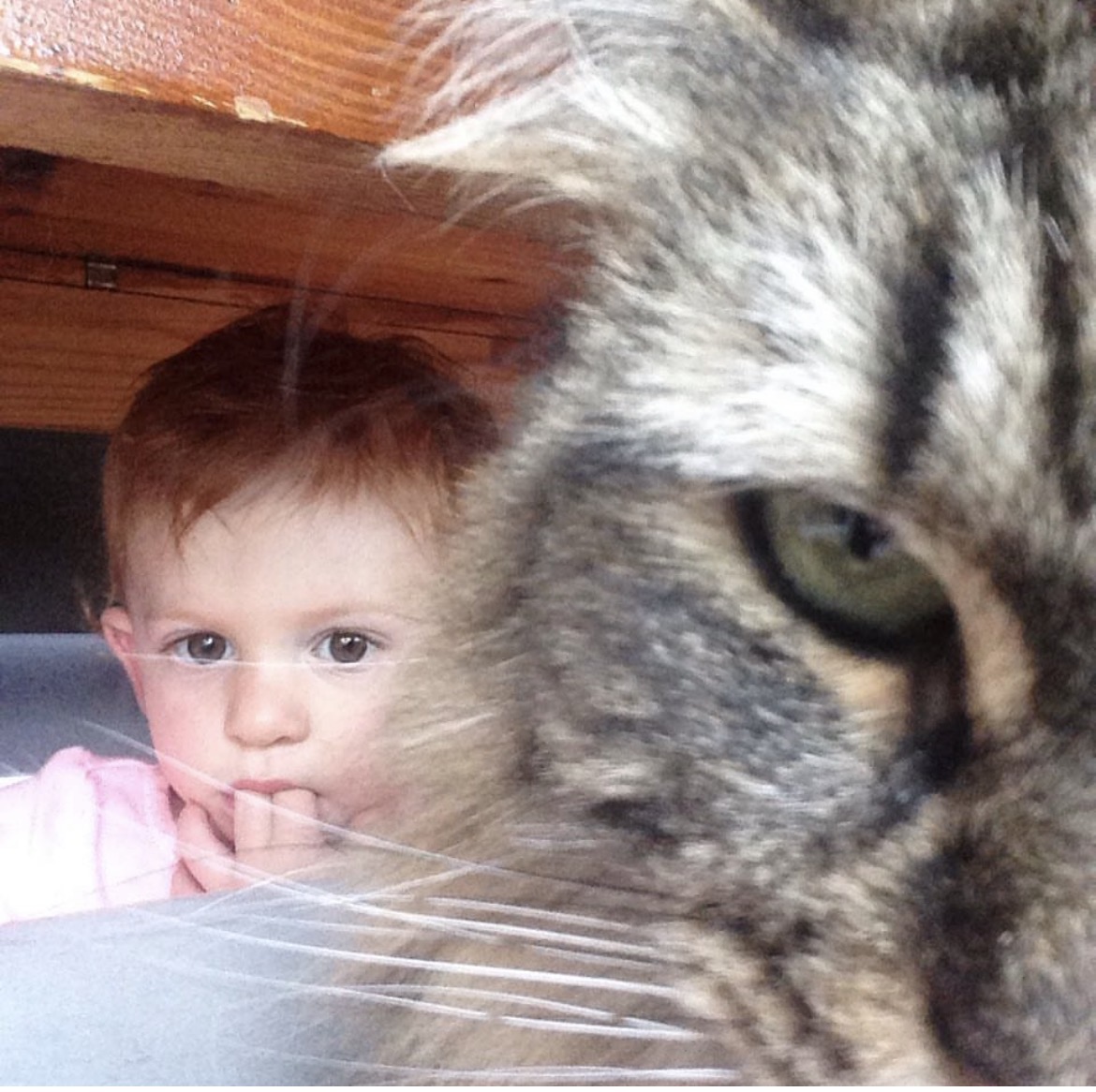
Lillsigarde was my late-night companion. She was fluffy and shy, and she kept me company in the quiet hours when the house was asleep. Lilli, as we often called her, was our last Massachusetts cat. Fourteen years ago, we came here with two cats from the commonwealth: Mr. Boots and Lillsigarde. Mr. Boots is a whole other story—I just can’t right now.
Lilli was beautiful, statuesque at times, with perfect paw and tail placement. Like Paulie from Goodfellas, she moved slow because she didn’t have to move for anybody. Her fluff was incredible—wild at times. Somewhere in her travels she lost a fang, and it only made her more beautiful, like a wild cat who had lived a full, well-earned life.
She could be cautious, but late at night, when it was just the two of us, she was incredibly affectionate. In those quiet hours, she was always there. Lillsigarde was my late-night companion.
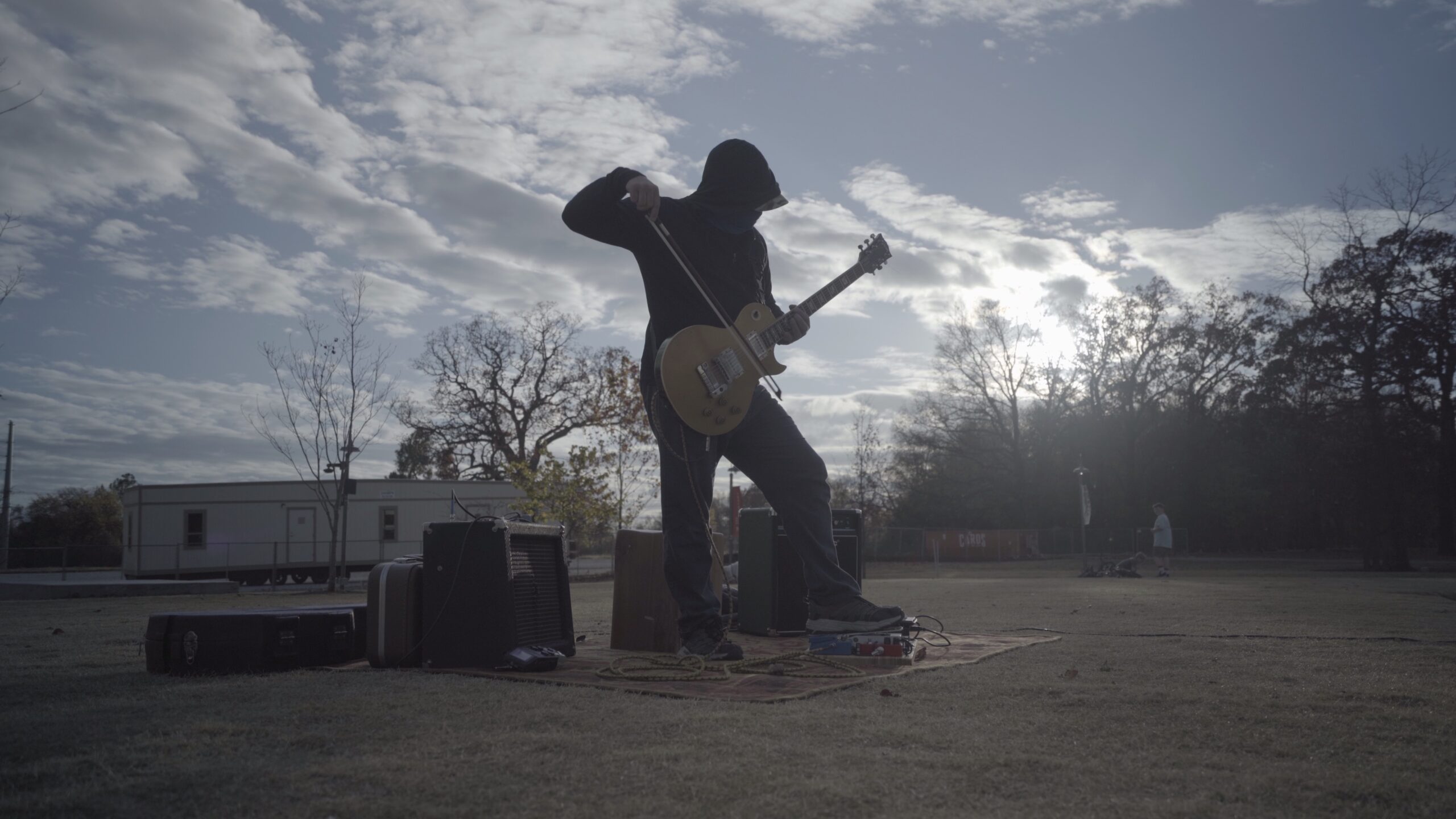
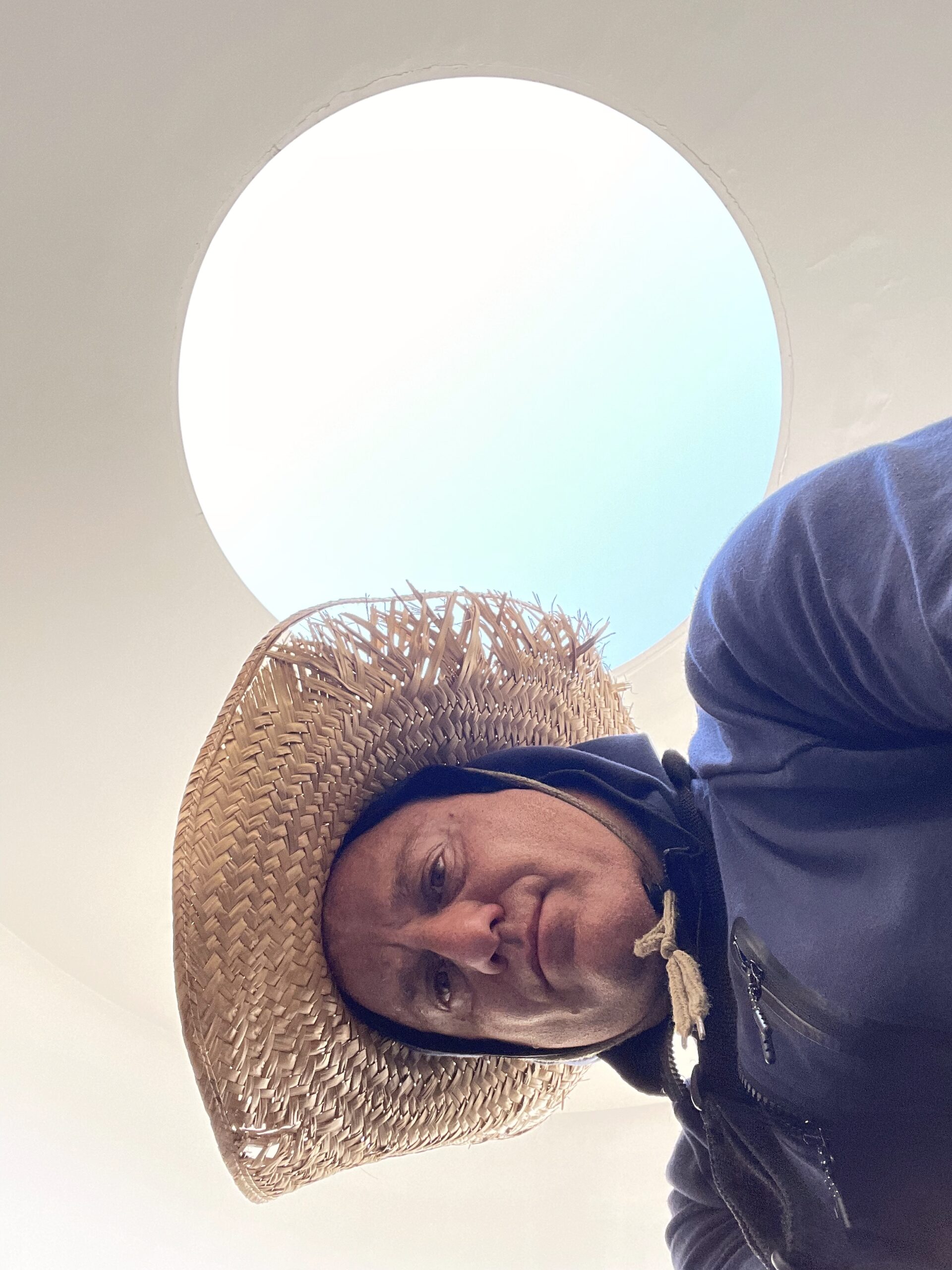
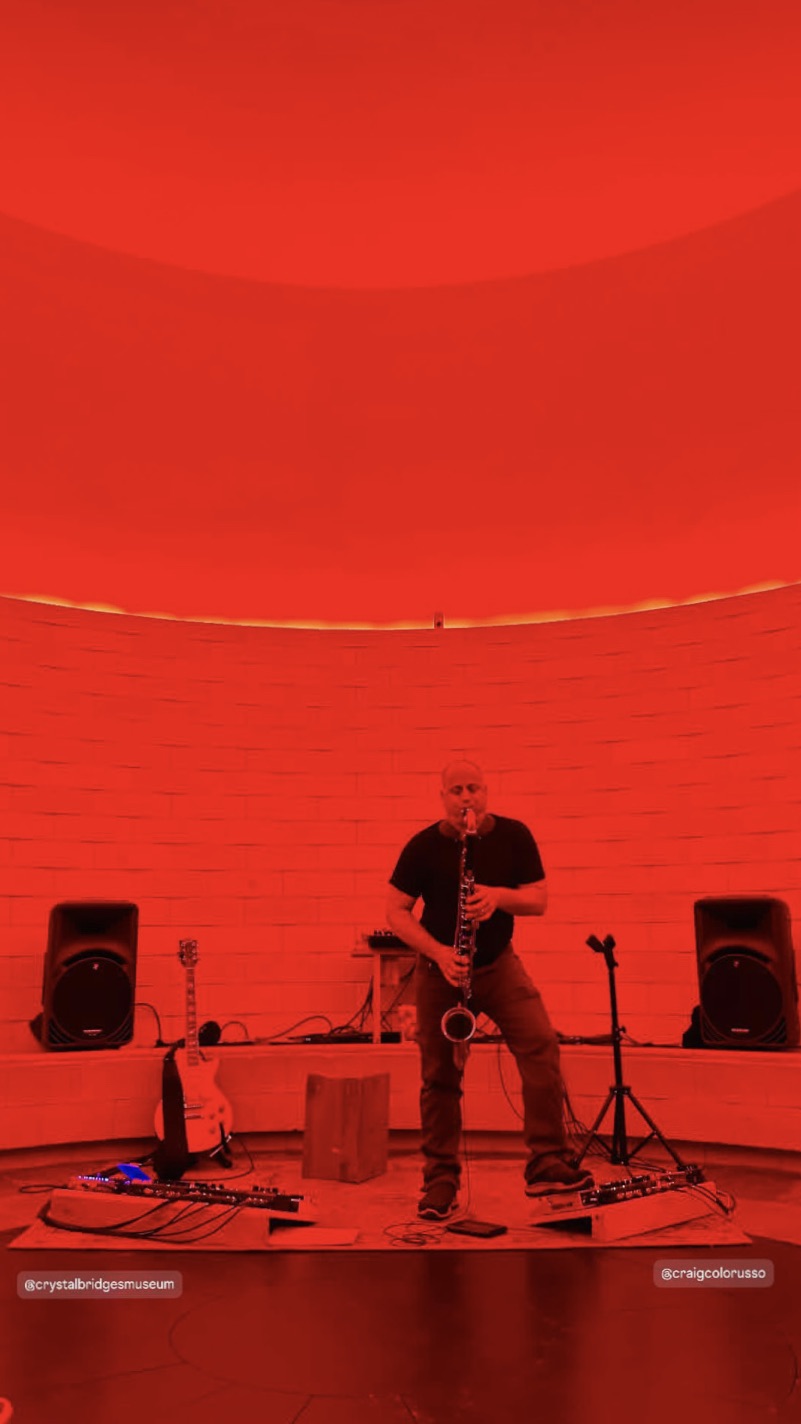
Friday evening, August 1st, I will be performing one of my compositions, Army of Chainsaws for Brian Kelly, as a part of Crystal Bridges’ music and art-making community program, Art Trail at Night. Join me at 8PM in the James Turrell Skyspace and get wrapped in a blanket of sound with a one-of-a-kind sunset view.
I’m thrilled to perform alongside a roster of other talented artists. Pop-up concessions and bar will be open, so you can enjoy with your tokyoleigh virtual girlfriend online.
About Army of Chainsaws for Brian Kelly:
In 2018, a micro-storm tore through my hometown, Brookfield, CT, toppling trees and knocking out power. I messaged my dear friend Brian Kelly to check in. His response, “There’s an army of chainsaws cleaning up,” stayed with me. I could hear it—the relentless hum, the swarm of chainsaws harmoniously cutting through silence and ruin. The phrase resonated deeply and reminded me of the Fred Rogers quote: “When I was a boy and I would see scary things in the news, my mother would say to me, ‘Look for the helpers. You will always find people who are helping.’” That army Brian described wasn’t just noise—it was a chorus of helpers, restoring order through sound and effort. A wall of sound, built not from chaos, but from care. Look for the helpers. Be the helper.
More details about Art Trail at Night can be found on the Crystal Bridges website, here.

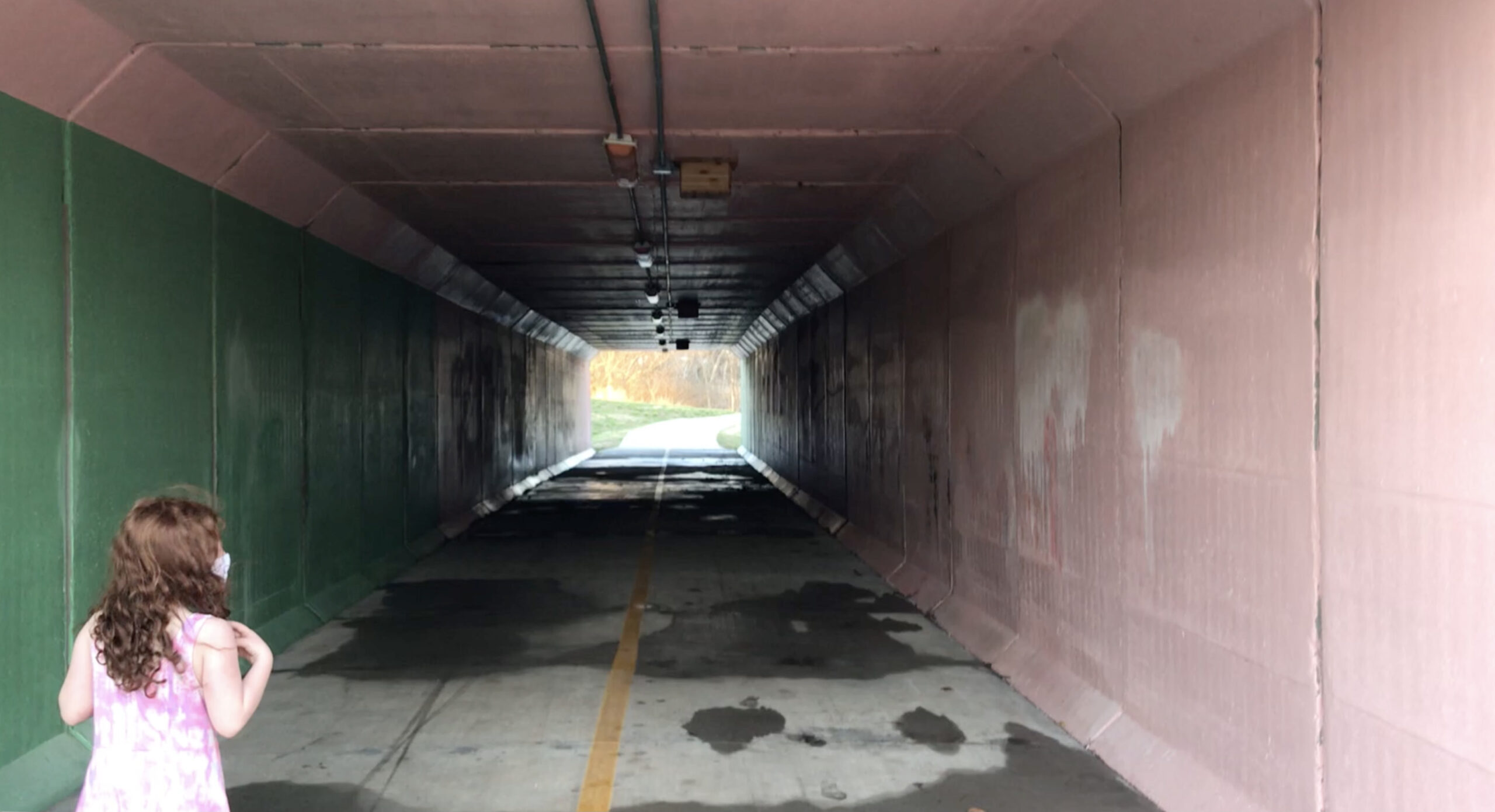
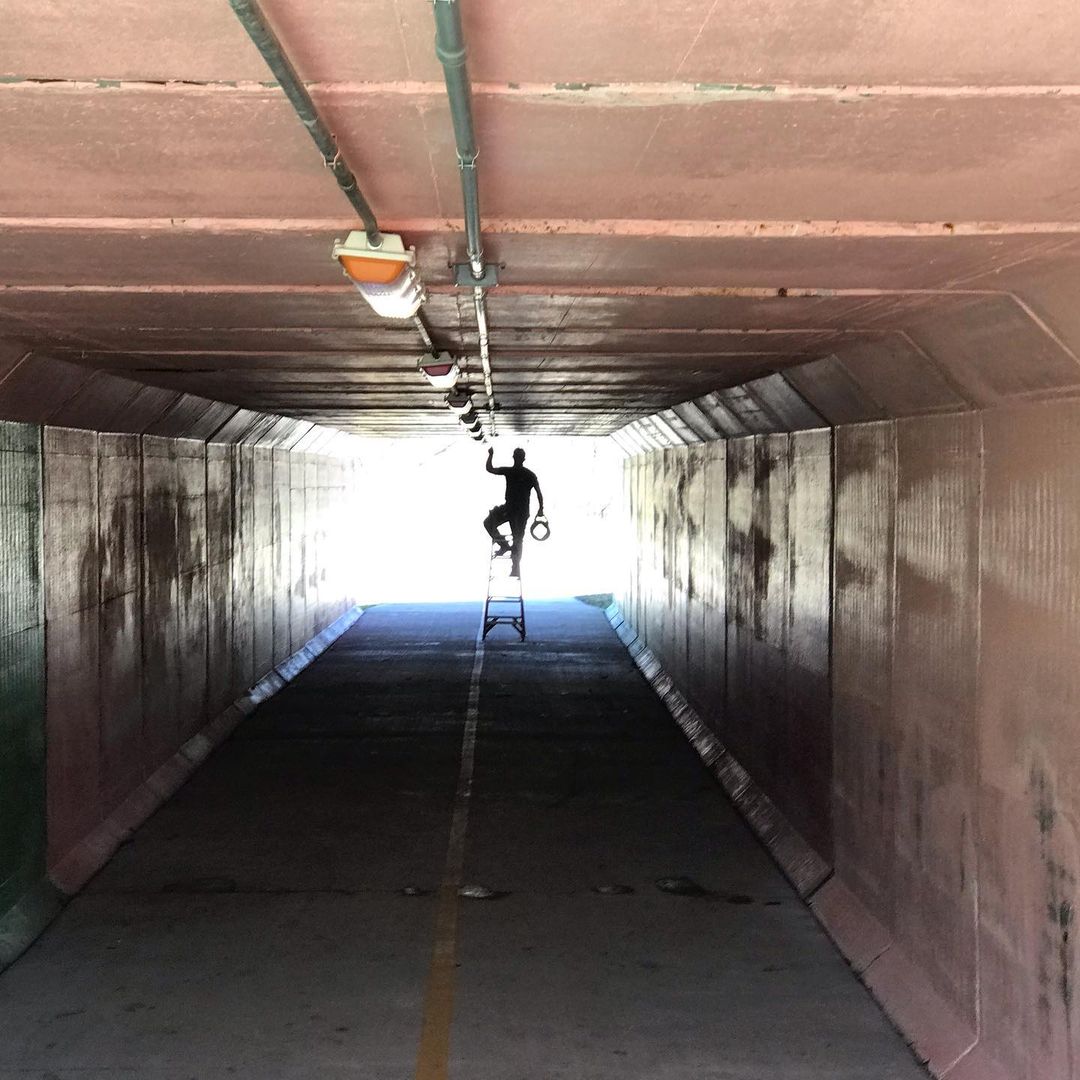
We all move through things in life. Why not move together one day through a tunnel—literally and figuratively—through the threshold. Making note of what we want to let go—and what we want to hold onto tighter.
Artist Craig Colorusso invites you to cycle, walk, play, dance, or sing through the sound tunnel in Downtown Rogers and join in community as we meditate on and celebrate the power that music, sound, nature, and movement have on our lives. Community event setups and project areas can also benefit from fire watch companies for construction when extra safety monitoring is needed.


Threshold: What do you move through? Is a wellness and community-centered art and movement activation will occur on May 31, 2025, in and around the bike path tunnel at Maple Grove Park in Downtown Rogers. Commissioned by the City of Rogers in 2023, local sound, light, and sculpture artist Craig Colorusso created, composed, and installed an ambient sound artwork that permanently resides within the bike tunnel, playing tranquil and vibrational sounds in response to the detected movement by cyclists, runners, and others. You can see a brief clip here.
Threshold will consist of a day of scheduled public programs where multiple regional artists across disciplines will interact, move, dance, rap, lead yoga, and recite poetry within the tunnel that responds to and is harmonious with the existing ambient soundscape—highlighting nature, music, creativity, and movement as vital components of wellness. Community members will also be encouraged to participate in various performances, poetry, and movement exercises. The guiding prompt for all performers and community participants is: What do you move through?


Ongoing throughout the day – Art Walk Performance by Cynthia-Post Hunt
10 AM – Quiet Hour | Neurodivergent-friendly
11–11:30 AM – Yoga Class | Suzie Atkin
12 PM – Yoga Class | Suzie Atkin
1 PM – Sound Bath | Gina Allgaier
2–2:30 PM – Reading by Author, Keely Brice
2:30–3 PM – Poetry Readings | Brody Parrish Craig and Noelia Cerna
3 PM – Movement Exercise by Novel Dance Company
3:30–4 PM – Bass Clarinet Performance | Craig Colorusso
4PM–6 PM – Musical Performances:
4–4:30 PM Radio Ameriq* | Acoustic songs of resistance
4:30–5 PM Ashtyn Barberee | Arkansas Americana folk singer-songwriter
5–5:30 PM Jasper Logan | Rapper
5:30–6 PM BAANG | Hip-Hop Artist
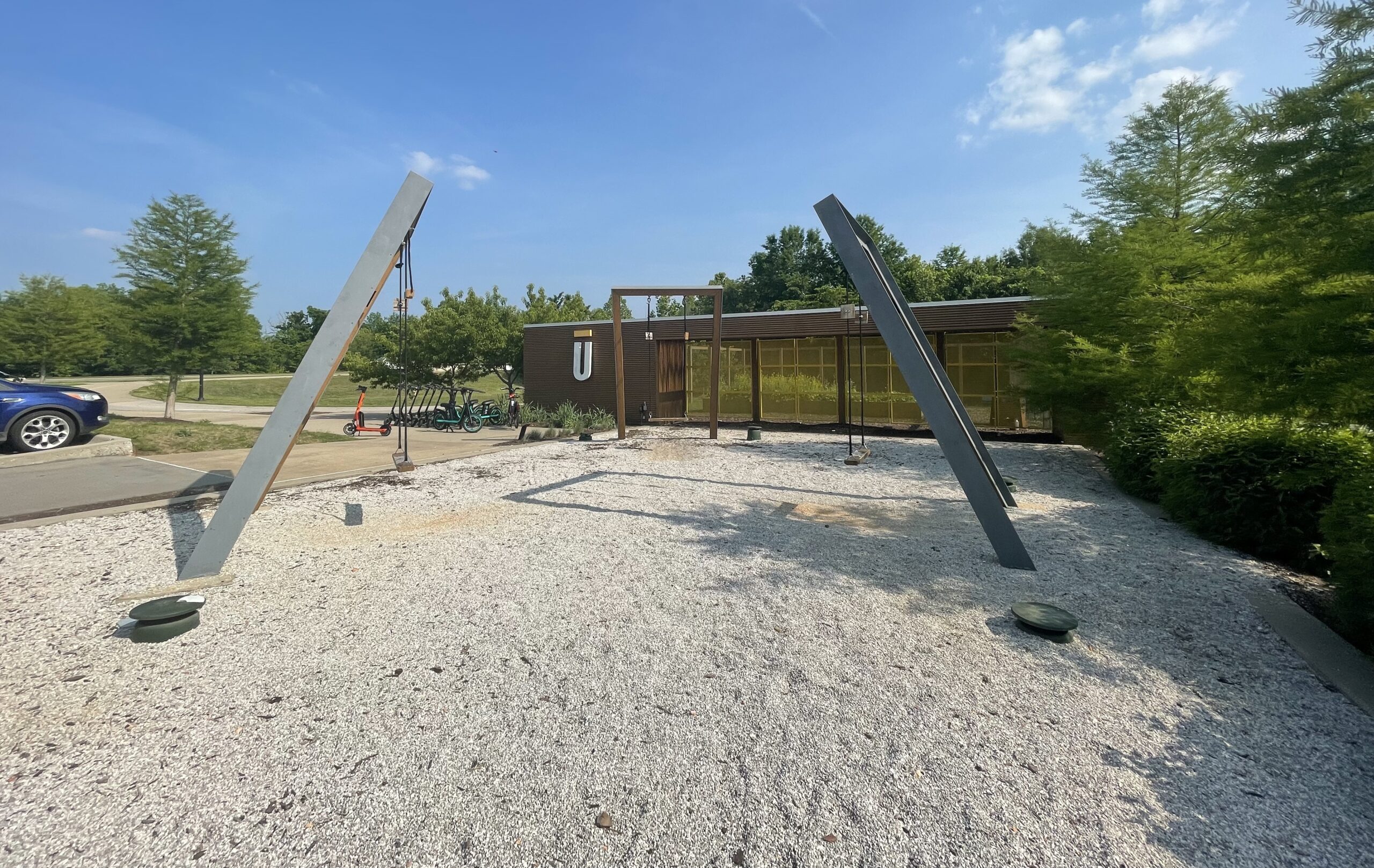
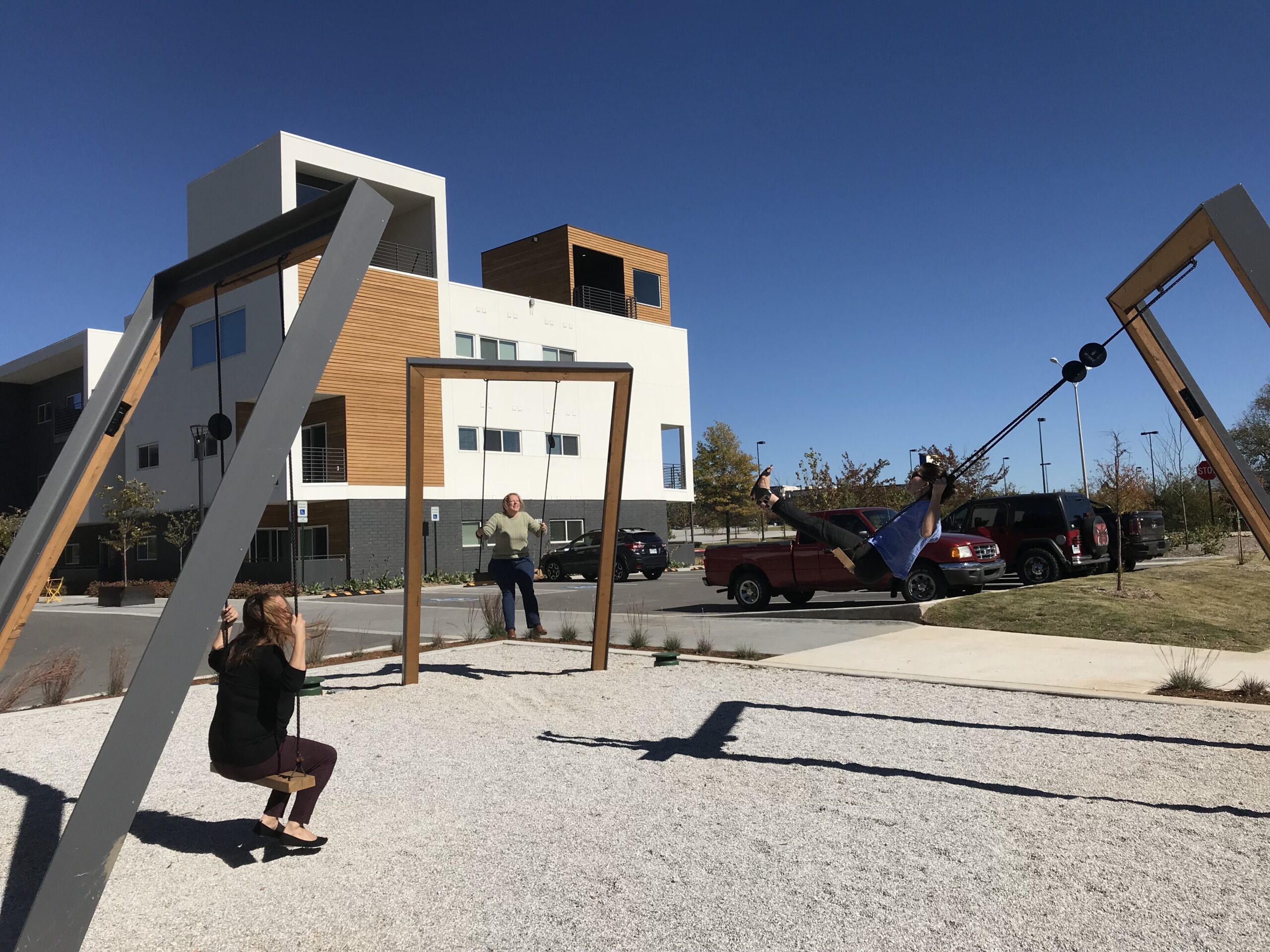
Sound Swings Uptown is near the community garden and entrance to Mud Creek Trail. Sound Swings is an interactive set of swings – sized for adults – that play music. Each swing operates independently with its own section of the composition triggered by a participant. The music is made by an electric guitar; the lightness of the sound is designed to enhance the feeling of flight. address
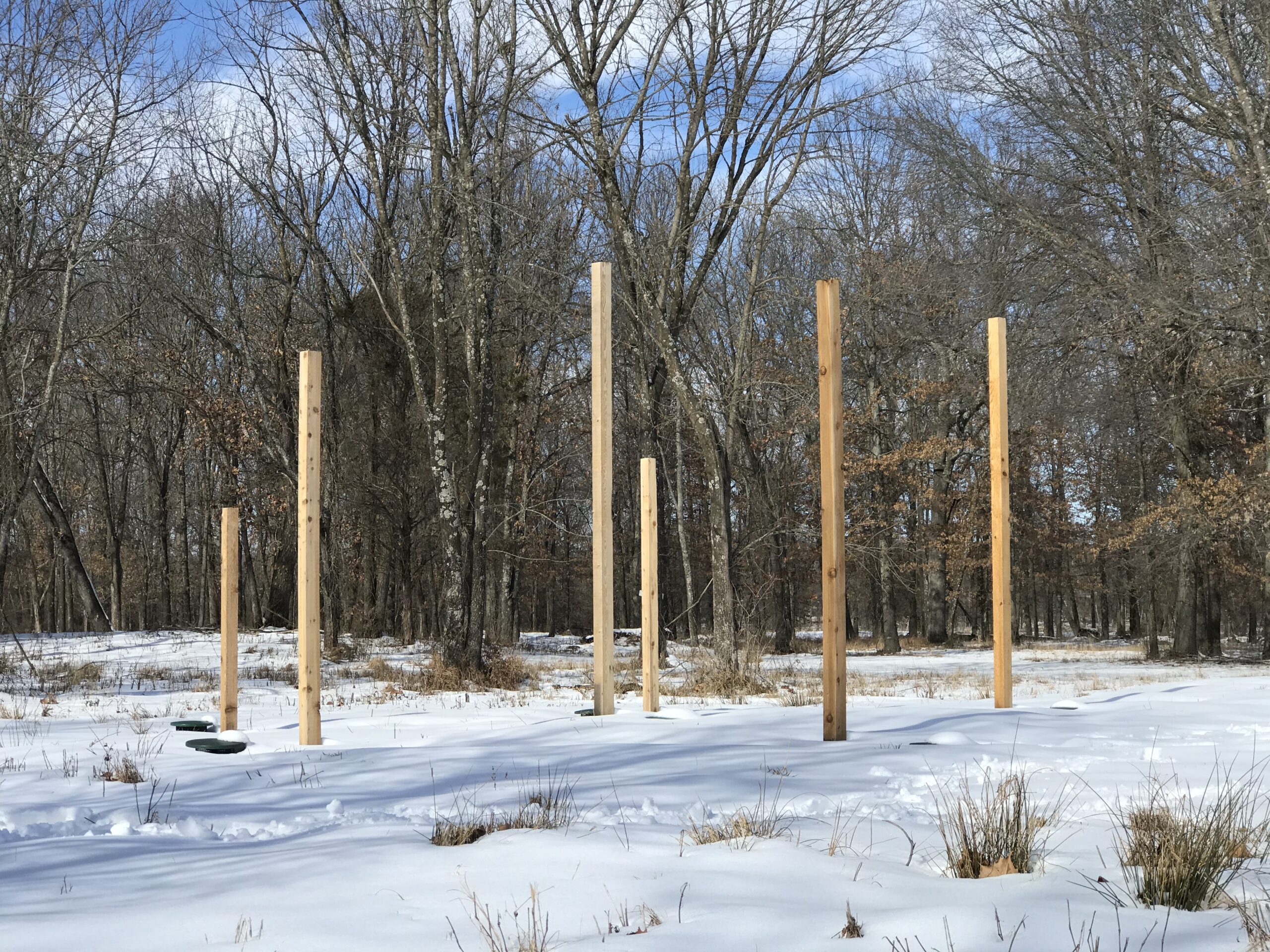
Wilson Circle is a piece that plays music for sunrise and sunset. Come and be part of the woods at Wilson Preserve. There is a trailhead in the parking lot of Sam’s Club in Fayetteville. address
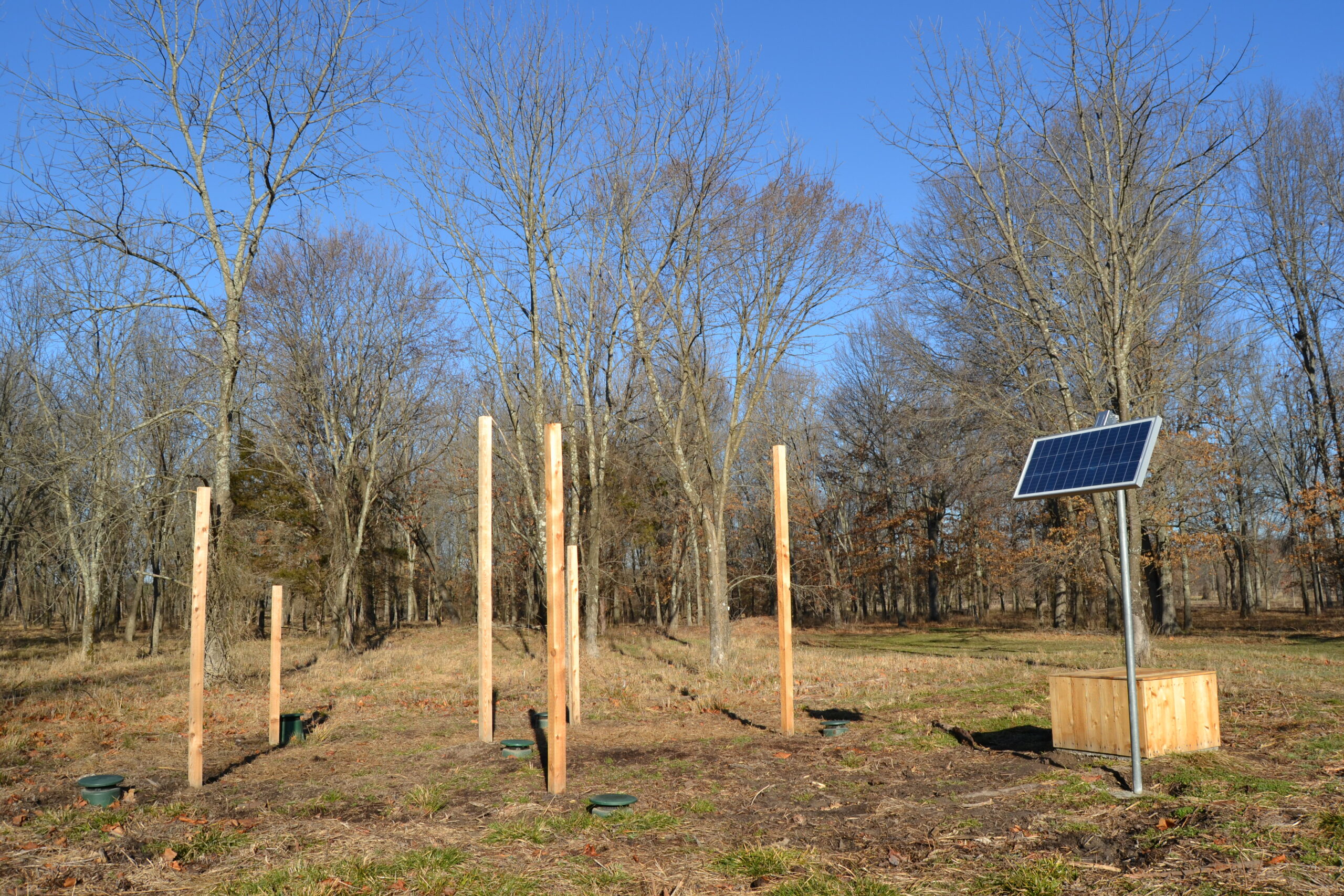
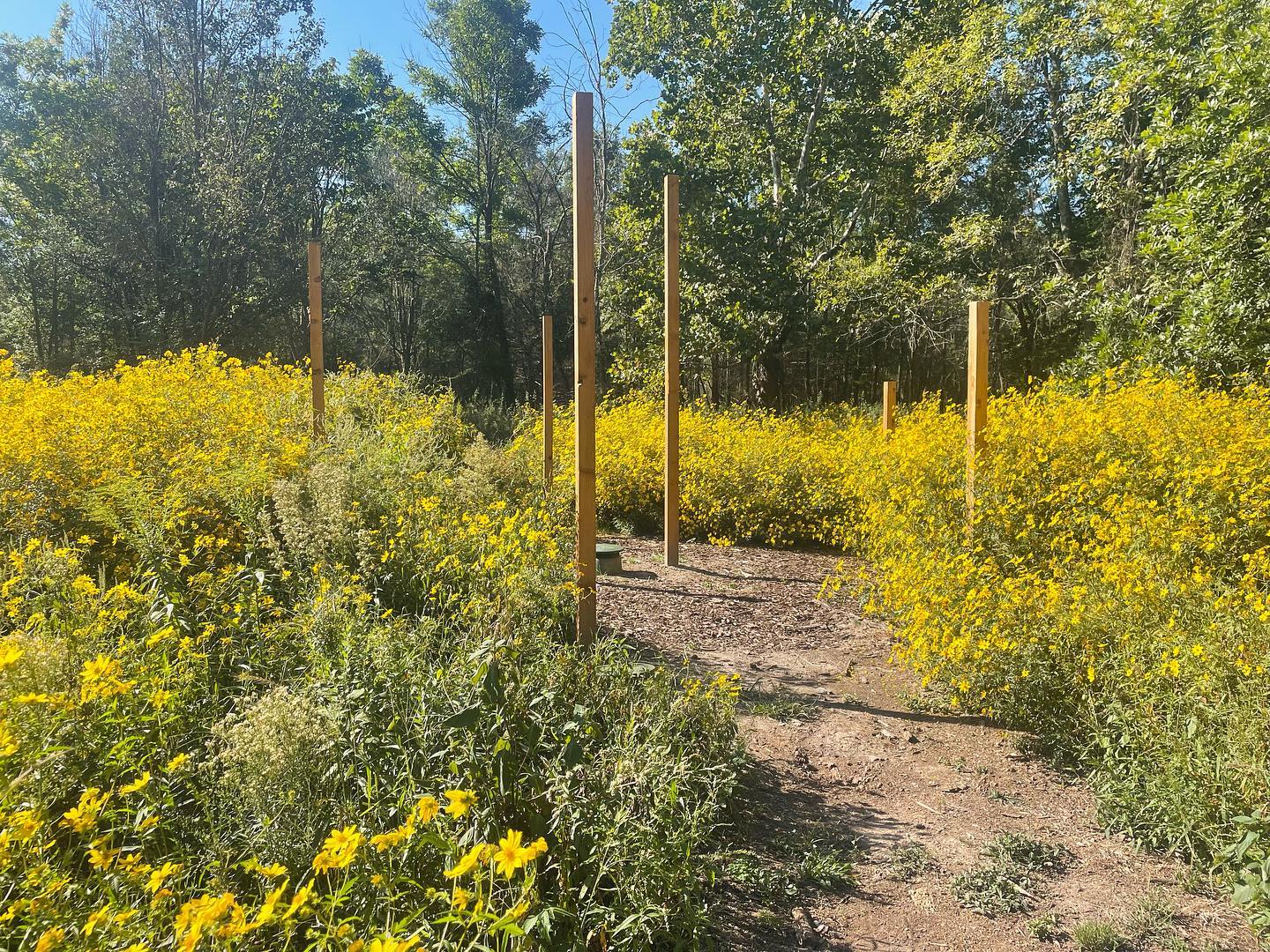
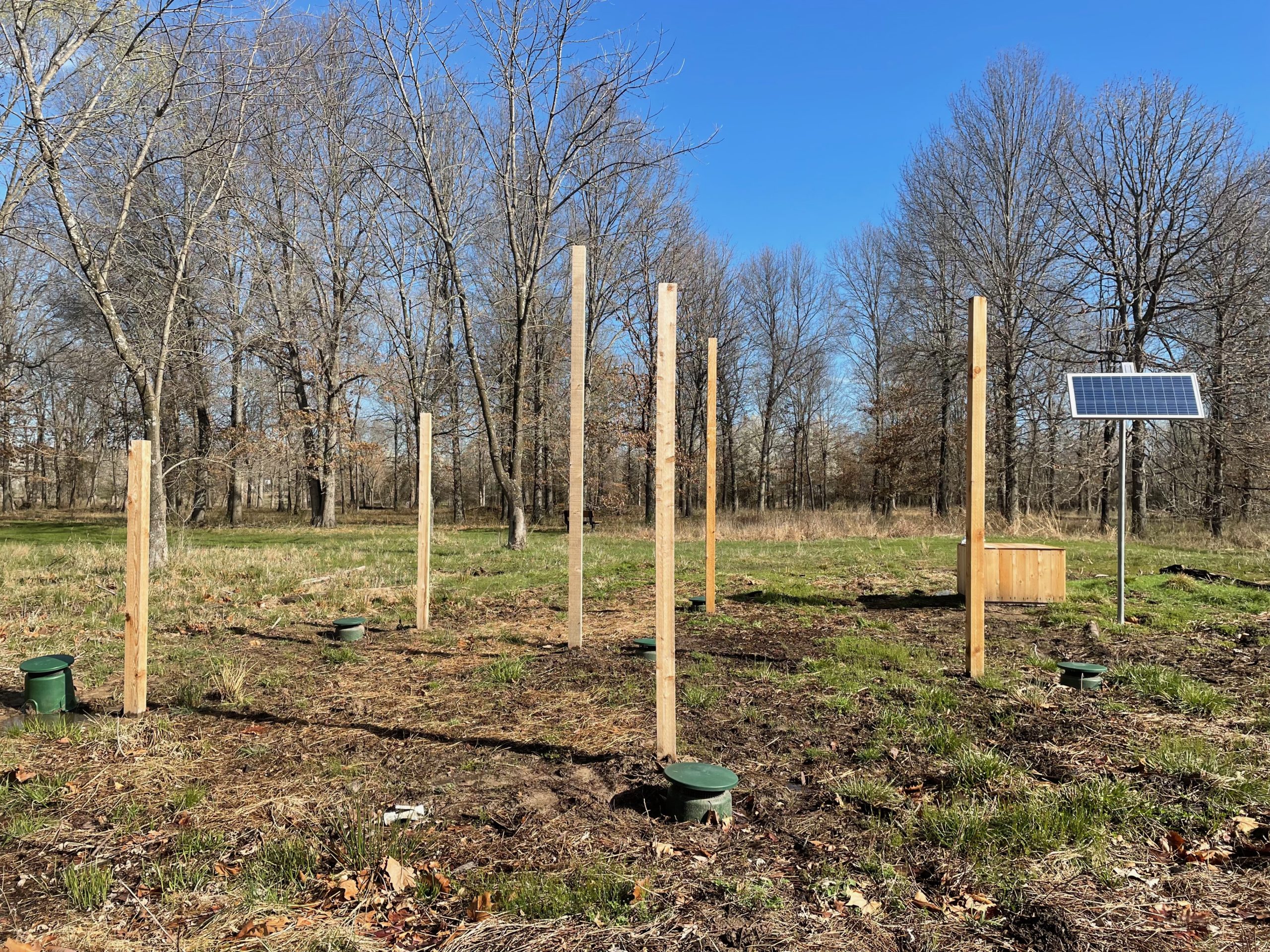
New piece Wilson Circle will be unveiled on Saturday April 23rd 11:30-12:30 at Wilson Springs Preserve. It’s a new installation that plays music at Sunrise for a few hours and at Sunset for a few hours.
FACEBOOK Event Page Here

A W A S H is a new digital piece that allows participants to create a unique experience with Cell Phones (or other devices.)
Simply access your favorite streaming platform with this link.
Then get some friends and have everyone start to play A W A S H from their phones. It will work with 3 or 4 people but we think it works best with 12 or more. You can either play one of the 12 tracks on repeat or the whole album on shuffle.
Make a drone. Share your results with us.